 Daily
Daily How to Eat Healthy When You Are Too Tired to Cook
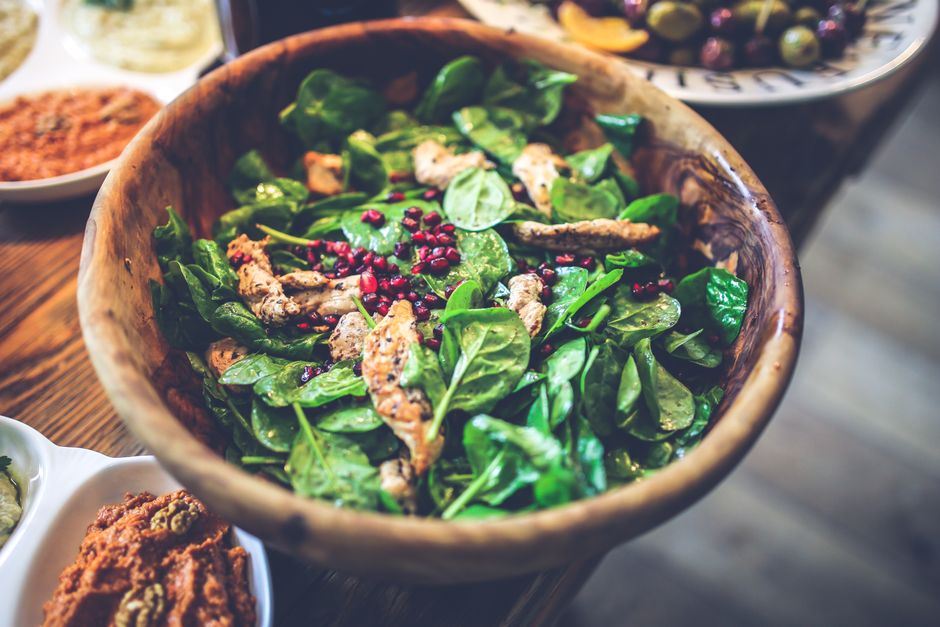
The Trap of the Perfect Home-Cooked Meal
Much of the advice surrounding healthy eating assumes you have an abundance of energy, a spacious kitchen, and hours of free time. We are told to spend our Sundays meal-prepping elaborate dishes in glass containers, or chopping fresh, organic vegetables for a complex recipe. But real life rarely accommodates this picture. For most of us, evenings are a blur of commutes, household chores, family obligations, or sheer physical exhaustion. For a closer look, see mitolyn.
When you are tired, your brain naturally seeks the path of least resistance. If the only healthy option in your fridge requires washing, chopping, and sautéing, you are much more likely to open a food delivery app or grab a processed snack. This is where the perfectionism trap hurts our nutrition. A basic, unglamorous meal assembled in ten minutes is infinitely better for your body than a highly nutritious recipe that remains unmade because you lacked the energy to start.
Rebuilding Your Pantry with Shelf-Stable Proteins
Protein is essential for keeping you full and supporting muscle repair, but cooking raw meat or poultry is often the most exhausting part of dinner. By stocking your pantry with high-quality, pre-cooked proteins, you eliminate the hardest step of meal preparation. These options are highly nutritious, inexpensive, and shelf-stable for months.
The Power of Canned Fish
Tinned fish, such as wild-caught salmon, sardines, mackerel, and tuna, are nutritional powerhouses. They are rich in omega-3 fatty acids, which may support brain health and reduce inflammation. Because they are pre-cooked, you can simply open the tin and add them directly to a plate. Many varieties come packed in extra virgin olive oil, which provides healthy fats that keep you satisfied.
Pulses and Canned Beans
Canned black beans, chickpeas, and lentils require nothing more than a quick rinse under cold water. They provide a stellar combination of plant-based protein and dietary fiber. Fiber supports digestive health and helps prevent blood sugar spikes, keeping your energy stable throughout the evening. You can toss these beans into salads, stir them into a store-bought broth, or mash them with a fork for a quick spread.
Why Your Freezer Is a Nutritional Goldmine
There is a common misconception that fresh vegetables are always superior to frozen ones. In reality, frozen vegetables are usually picked at peak ripeness and flash-frozen within hours. This process locks in their vitamins and minerals, often making them more nutrient-dense than fresh produce that has spent days traveling in trucks and sitting on grocery shelves.
Using frozen vegetables is one of the easiest ways to practice healthy eating when tired. They require no washing, peeling, or chopping. You can steam a portion of frozen broccoli in the microwave in three minutes, or toss frozen spinach directly into a warm soup. Keeping frozen peas, edamame, and berry blends on hand ensures you always have access to essential antioxidants and micronutrients without any kitchen labor.
Quick Assemblies: Three Meal Ideas Under Ten Minutes
When energy is low, stop thinking in terms of cooking and start thinking in terms of assembly. Here are three simple, balanced meals that require zero actual cooking skills and can be put together in minutes: A complete breakdown is available on visivra.
1. The Mediterranean Chickpea Bowl
Drain and rinse a can of chickpeas. Toss them into a bowl with a handful of pre-washed baby spinach, some crumbled feta cheese, and a spoonful of store-bought pesto or vinaigrette. This meal delivers protein, fiber, and healthy fats with zero heat required. You can read more from MedlinePlus, from the U.S. National Institutes of Health.
2. High-Protein Avocado Salmon Toast
Toast a slice of whole-grain sprouted bread. Mash half an avocado on top, then flake a can of skinless, boneless salmon over the avocado. Squeeze a little lemon juice and sprinkle a pinch of salt and black pepper. This simple dish provides a balanced mix of complex carbohydrates, healthy fats, and lean protein.
3. The Lazy Egg and Veggie Scramble
Eggs are one of the fastest cooking proteins on earth. Whisk two eggs in a pan with a handful of frozen peas and carrots. Cook for three to four minutes until set. Serve with a side of pre-washed cherry tomatoes for an instant, warm, comforting meal.
Easy Upgrades for Basic Convenience Foods
You do not have to make everything from scratch to eat well. Often, the most sustainable approach to nutrition is simply upgrading the convenience items you already buy. This reduces your workload while significantly boosting the nutritional profile of your meal.
- Upgrade Boxed Macaroni or Ramen: Stir in a handful of frozen peas or baby spinach during the last minute of cooking, and crack an egg into the broth for instant protein and vitamins.
- Boost Canned Soup: Canned vegetable or chicken soup can be low in protein and fiber. Add half a can of drained white beans and a drizzle of olive oil to make it a hearty, filling meal.
- Elevate Plain Greek Yogurt: Keep frozen wild berries and hemp seeds in your kitchen. Stirring them into plain yogurt takes thirty seconds and adds vital antioxidants, fiber, and omega-3s.
The Psychology of Lowering the Bar
Modern wellness culture often suggests that if you are not eating a perfectly balanced, organic, locally sourced meal, you are failing. This all-or-nothing mindset is highly counterproductive. It creates unnecessary stress, which can lead to emotional eating and poor dietary choices.
Lowering your standards for what constitutes a dinner can actually raise your overall nutritional consistency. A plate of sliced cheese, a handful of almonds, an apple, and some whole-wheat crackers might look like a snack, but nutritionally, it is a highly balanced meal. It contains protein, healthy fats, complex carbohydrates, and fiber. Give yourself permission to eat simple, unstructured meals when your energy is depleted. Your body registers the nutrients, not the complexity of the preparation.
Arranging Your Kitchen for Low-Energy Success
Healthy eating when tired is largely a matter of organization. By arranging your kitchen to support your lowest-energy self, you remove the friction that leads to poor dietary choices. This requires a small investment of time once, rather than a daily expenditure of willpower.
Create a dedicated 'quick-assembly' shelf in your pantry. Keep your canned beans, tinned fish, high-quality olive oils, and seeds easily visible and at eye level. In the freezer, make sure your frozen vegetables are not buried under frozen pizzas or ice cream. Keep your most frequently used, low-effort kitchen tools, like a reliable can opener and a microwave-safe bowl, in an easily accessible drawer. When the physical environment supports your health goals, making the nutritious choice becomes almost automatic.
Frequently asked questions
Is canned fish safe to eat regularly?
Yes, canned fish is a highly nutritious option. For regular consumption, choose low-mercury options like sardines, wild-caught salmon, and light tuna. Sardines and salmon are also excellent sources of calcium if they contain soft, edible bones.
How can I make simple meals taste better without cooking?
Keep a few high-impact flavor enhancers in your pantry. Sriracha, lemon juice, extra virgin olive oil, soy sauce, garlic powder, and high-quality sea salt can transform a basic bowl of beans or canned fish into a flavorful meal in seconds.
Are frozen meals from the grocery store healthy?
Some frozen meals are highly nutritious, while others are packed with excess sodium and preservatives. Look for brands that list recognizable, whole-food ingredients and aim for meals with lower sodium levels and a good balance of protein and fiber.
What is the easiest way to get greens into my diet when tired?
Pre-washed baby spinach is incredibly easy to use because it requires no prep and wilts instantly. You can stir it into any warm soup, mix it into scrambled eggs, or simply use it as a quick bed of greens under canned fish.