 Daily
A Practical Take on Anti-Inflammatory Eating, Honestly Described, Day by Day
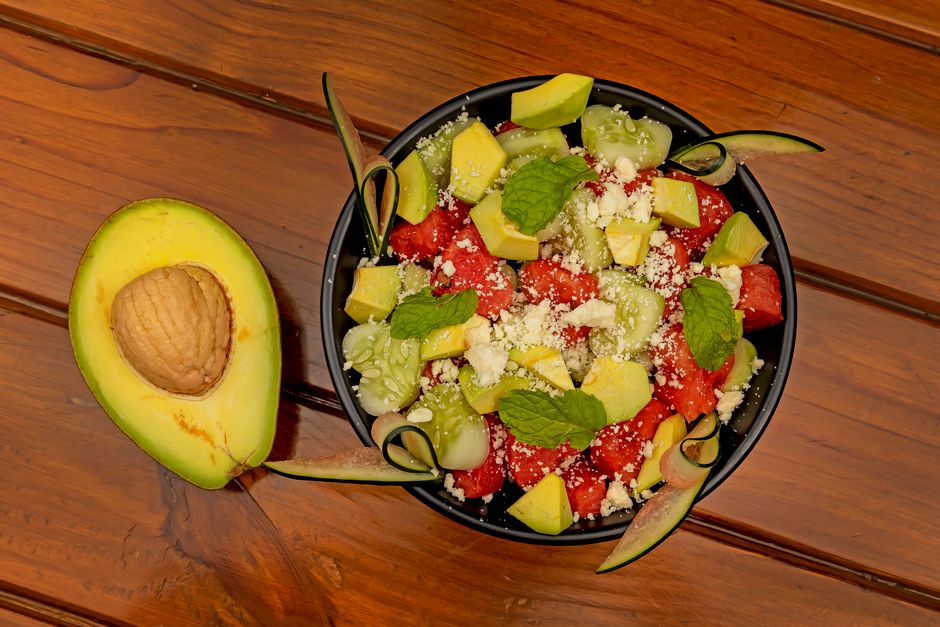
If you are just getting started with anti-inflammatory eating, honestly described, the good news is that you do not need to change everything at once. The aim here is to keep things realistic and easy to sustain. The rest of this article walks through anti-inflammatory eating, honestly described step by step, in plain language.
Start here
What the evidence does not support is the idea of a single anti-inflammatory food that carries the effect. Turmeric, ginger, and green tea are all reasonable additions to a diet and none of them rescues an otherwise poor one. The benefit, where it exists, comes from the overall pattern maintained over years.
None of this has to happen all at once; even one small adjustment in this area tends to pay off over time.
The first easy step
The key point is that there is a subtraction worth mentioning alongside the additions. Sleeping badly, drinking heavily, smoking, and sitting all day all raise the same markers that food is being asked to lower. Adding berries to a life short on sleep is unlikely to be the decisive intervention.
It helps to focus on what you can realistically do most days, rather than an ideal you can only manage occasionally.
Building a little at a time
The key point is that the reasonable expectation is a slow, cumulative shift rather than a felt effect. Nobody notices their inflammatory markers improving. What most of us notice is that a diet built this way tends to be more filling, more varied, and easier to sustain than the one it replaced. This aligns with information from MedlinePlus, from the U.S. National Institutes of Health.
What to expect early on
More often than not, inflammation is a normal and necessary response. It is how the body deals with injury and infection, and a life without it would be very short. The concern in nutrition is not inflammation itself but the low-grade, persistent kind that accompanies several long-term conditions and appears to be influenced, modestly, by what is eaten.
Simple habits to try
The key point is that the pattern associated with lower markers is unremarkable and keeps appearing under different names. Plenty of vegetables and fruit, pulses, wholegrains, nuts, olive oil, oily fish; less ultra-processed food, less refined sugar, moderate alcohol. It resembles the Mediterranean pattern because that is the pattern most studied.
If you remember only one thing here, let it be that steady, repeatable habits beat short bursts of effort.
Practical tips
Some practical points to keep in mind:
- Notice what works for you personally, since everyone responds a little differently.
- Start small and stay consistent rather than aiming for a dramatic change.
- Give any change a few weeks before judging whether it is helping.
- Anchor a new habit to something you already do each day, like your morning coffee.
The bottom line
None of this needs to be perfect. Take it one small step at a time. Consistency, not intensity, is what makes the difference in the long run.
Frequently asked questions
Is this suitable for busy people?
Yes. Most of the ideas here fold into things you already do each day, so they take little extra time.
Do I need special equipment or money?
No. Most of what helps is free or low-cost, and the simplest options are usually the ones people stick with.
What is the single most important thing to focus on?
Consistency. A modest routine you actually keep beats an ambitious plan you abandon after a week.
How long before I notice a difference?
It varies from person to person. Give any new habit a few weeks of consistency before deciding whether it is working for you.